

For me, the 5-act structure stands out: it’s detailed enough to lay out a film in a single graph, yet flexible enough to accommodate twists and deeper details as your project evolves. I’ve even used this structure for documentary approaches, where research alone can help you plan out the narrative before shooting a single interview.
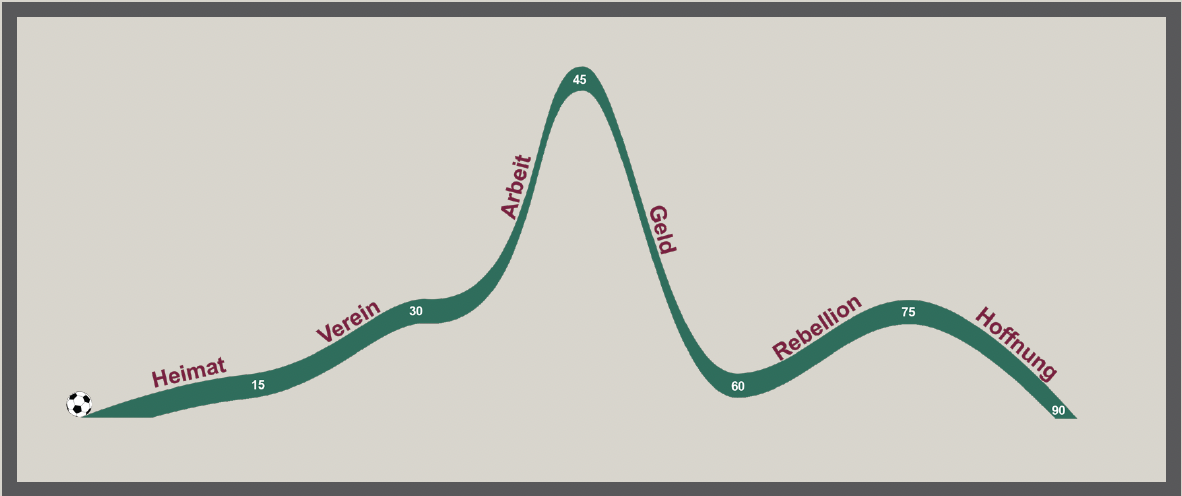
This is the five-act structure I came up with for the film “Who Owns Football?”. It was part of my submission, and I had already mapped out all the key story beats—even before I’d shot a single interview. At that point, everything was based purely on research, which shows how far you can get when planning a documentary in advance.
So before going any further, I want to make clear what this structure actually is. The interesting thing is that you can divide almost any film into five parts time-wise, and more often than not, you’ll end up with the same kinds of plot points described in the five-act structure. I’ll go into that in detail first—and then, afterwards, we’ll move into some film analysis examples. Not full deep dives, but more of a Film Analysis 101 approach: just enough to see how this structure shows up in practice.
The 5-Act Structure
The 5-act structure, also known as Freytag’s Pyramid or Freytag’s Triangle, originates from Gustav Freytag’s 1863 work ‘Die Technik des Dramas.’ Unlike the classic three-act model, all five acts are of equal length and include: exposition, rising action, climax, falling action, resolution.
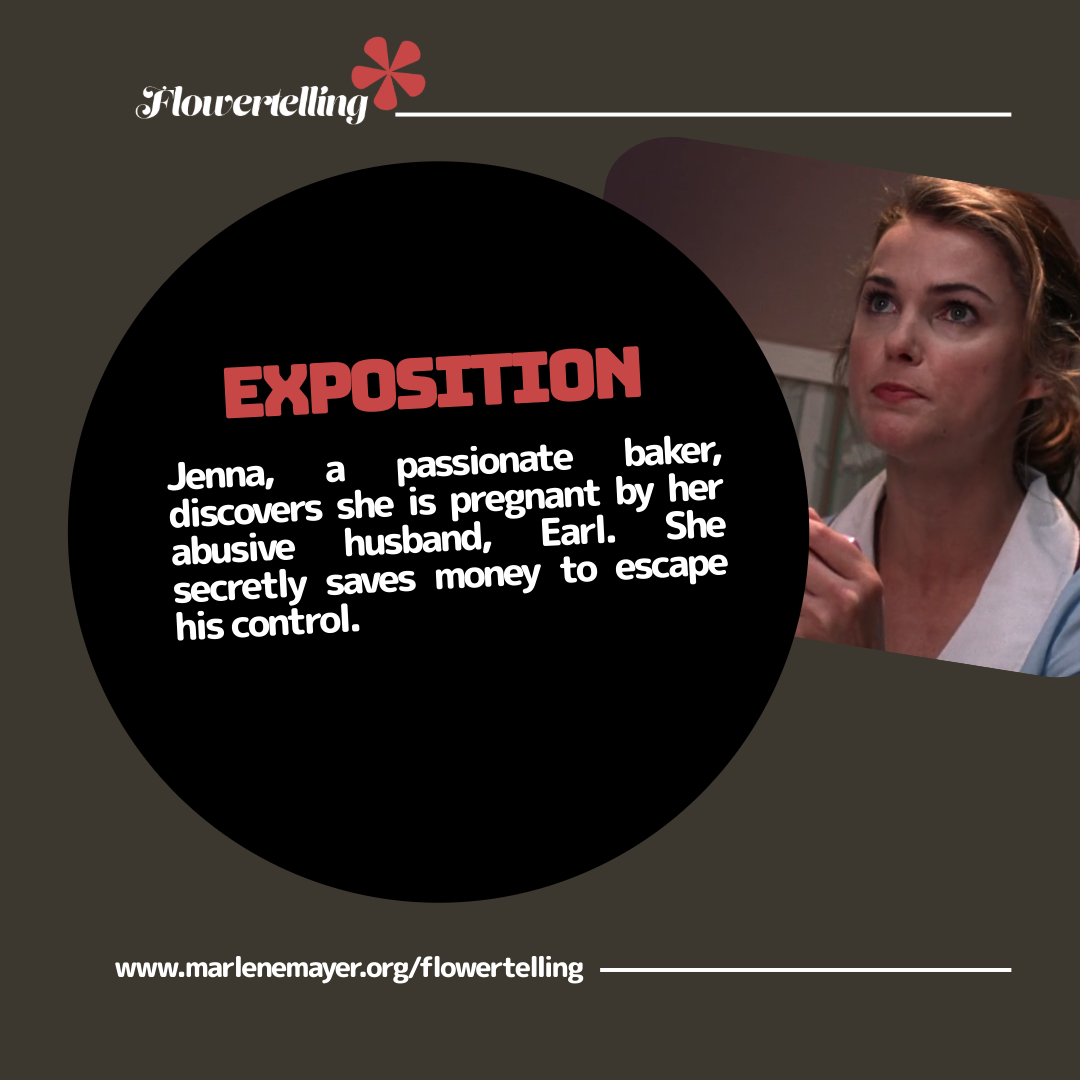
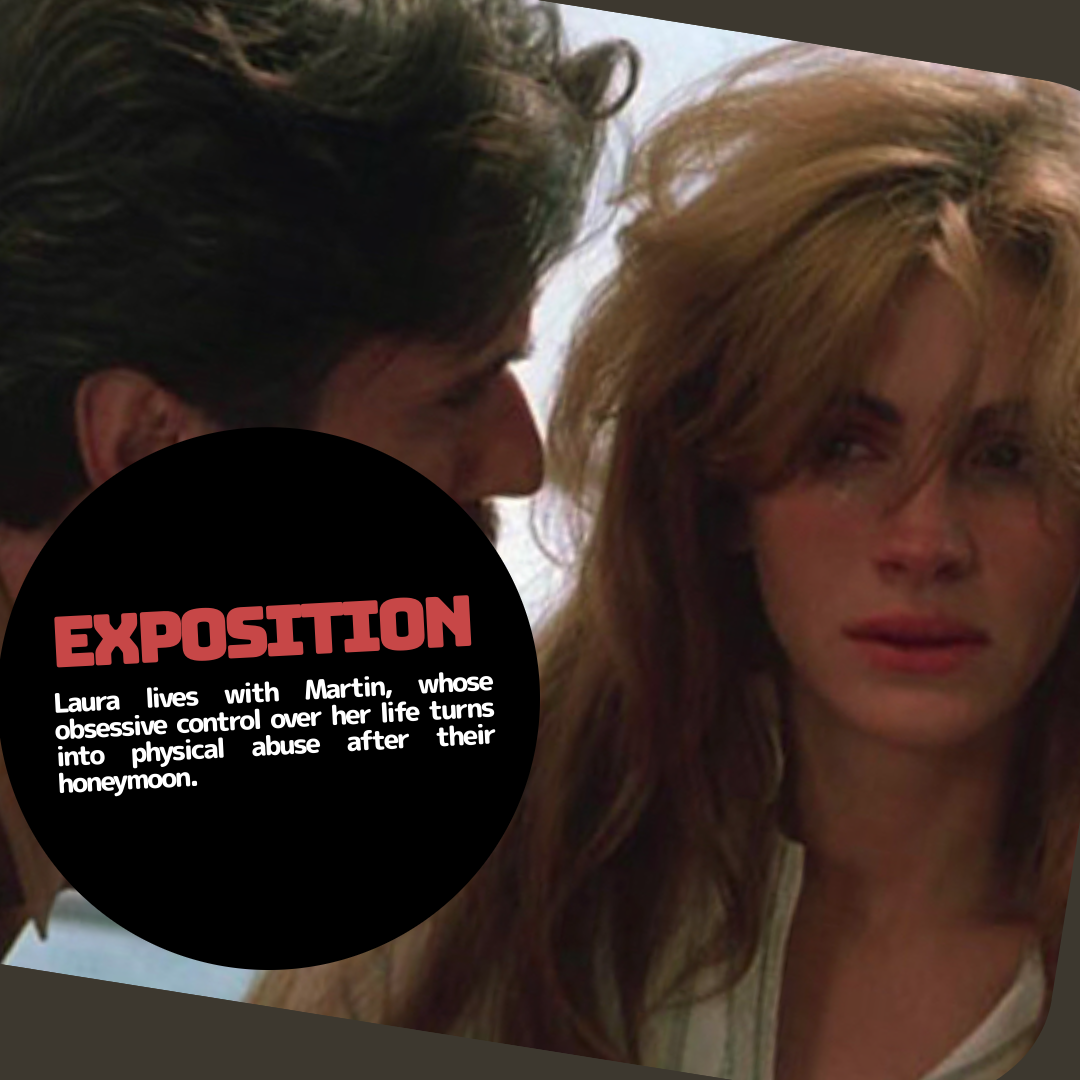
Exposition
The setting, time, and characters are introduced. The inciting incident triggers the central conflict.
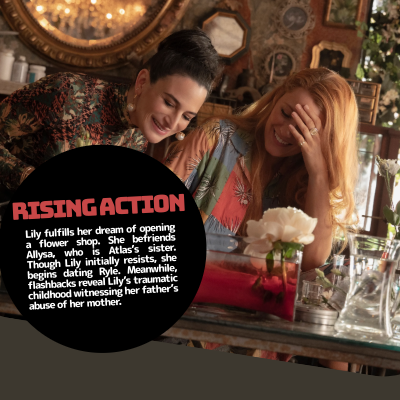
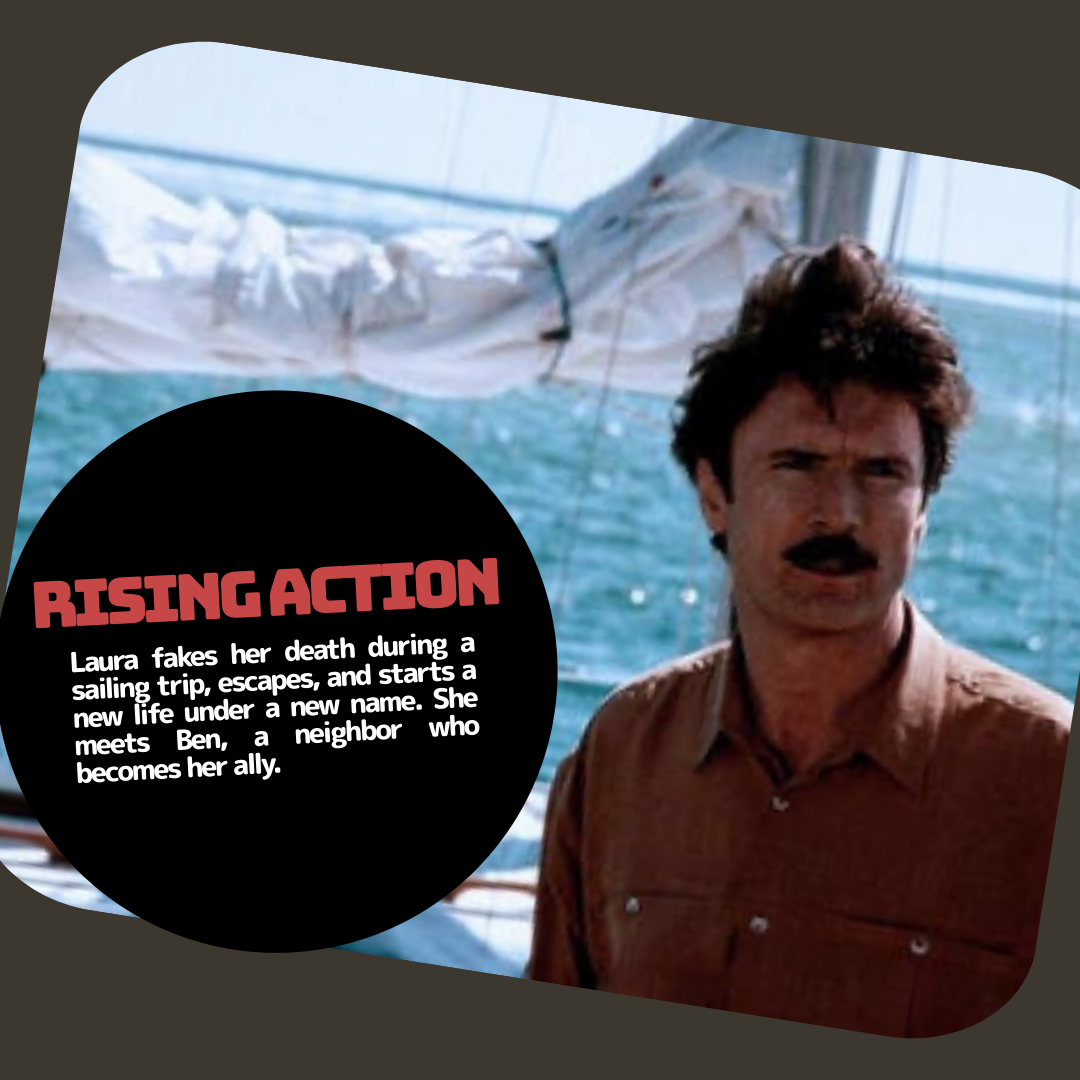
Rising Action
The conflict deepens as new obstacles arise, preventing resolution and accelerating the plot.
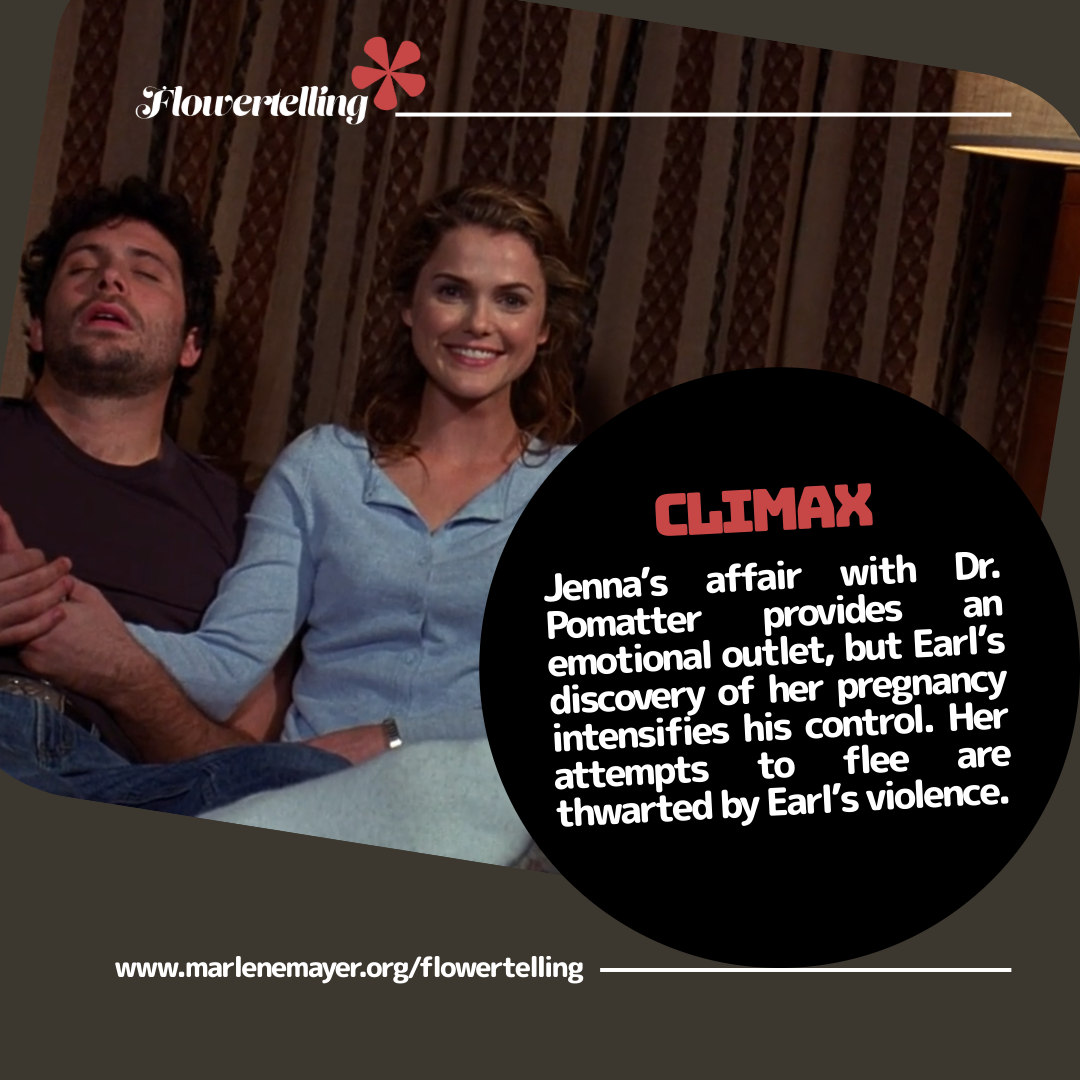
Climax
The story reaches its most intense moment, often a point of no return.
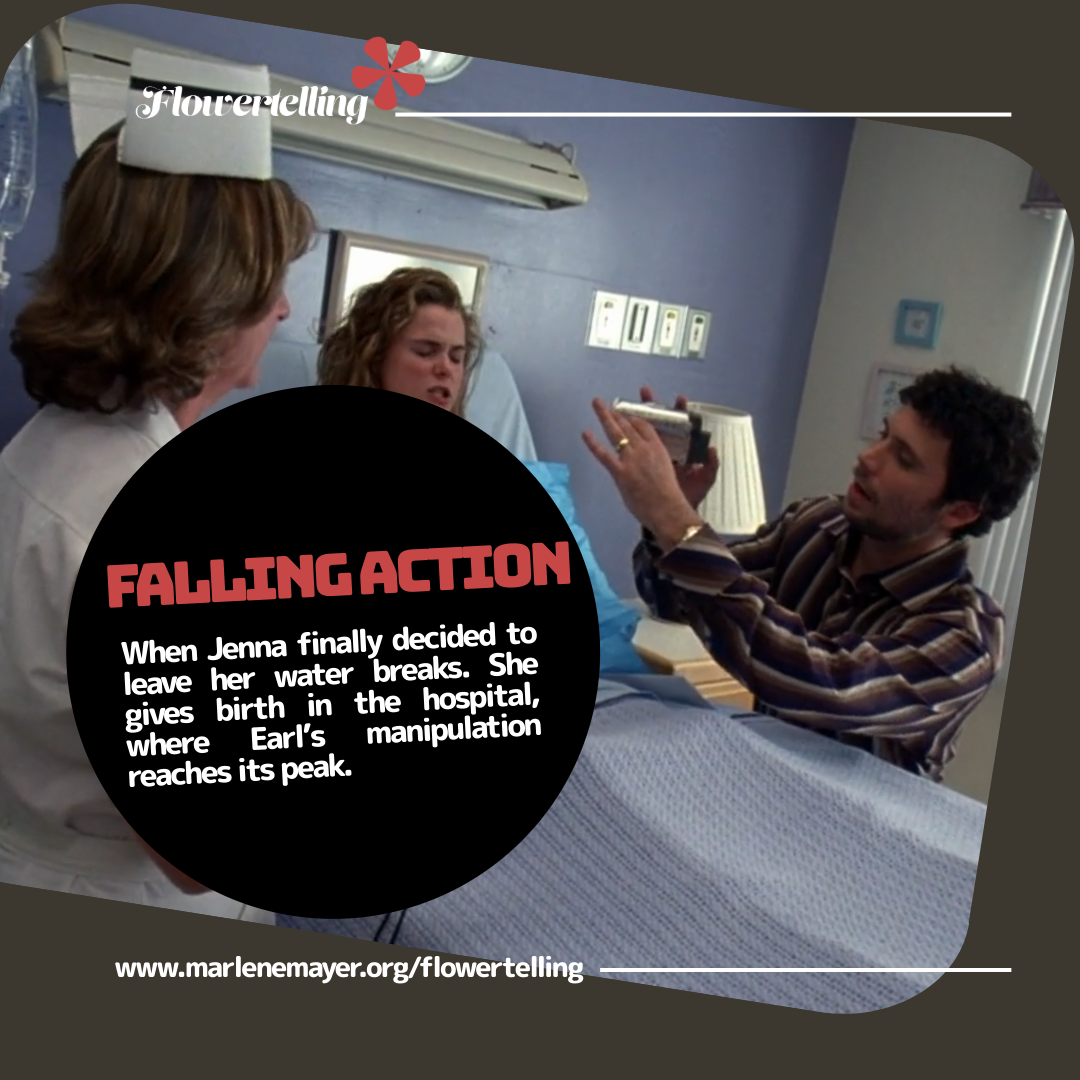
Falling Action
The plot moves toward an inevitable conclusion, often interrupted by a delaying moment.
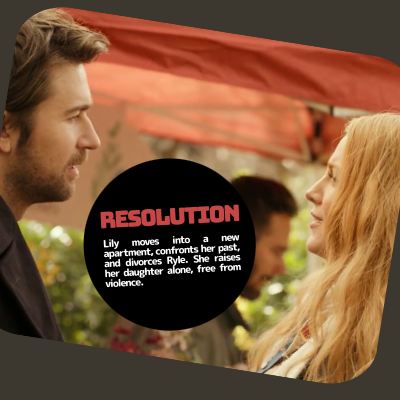
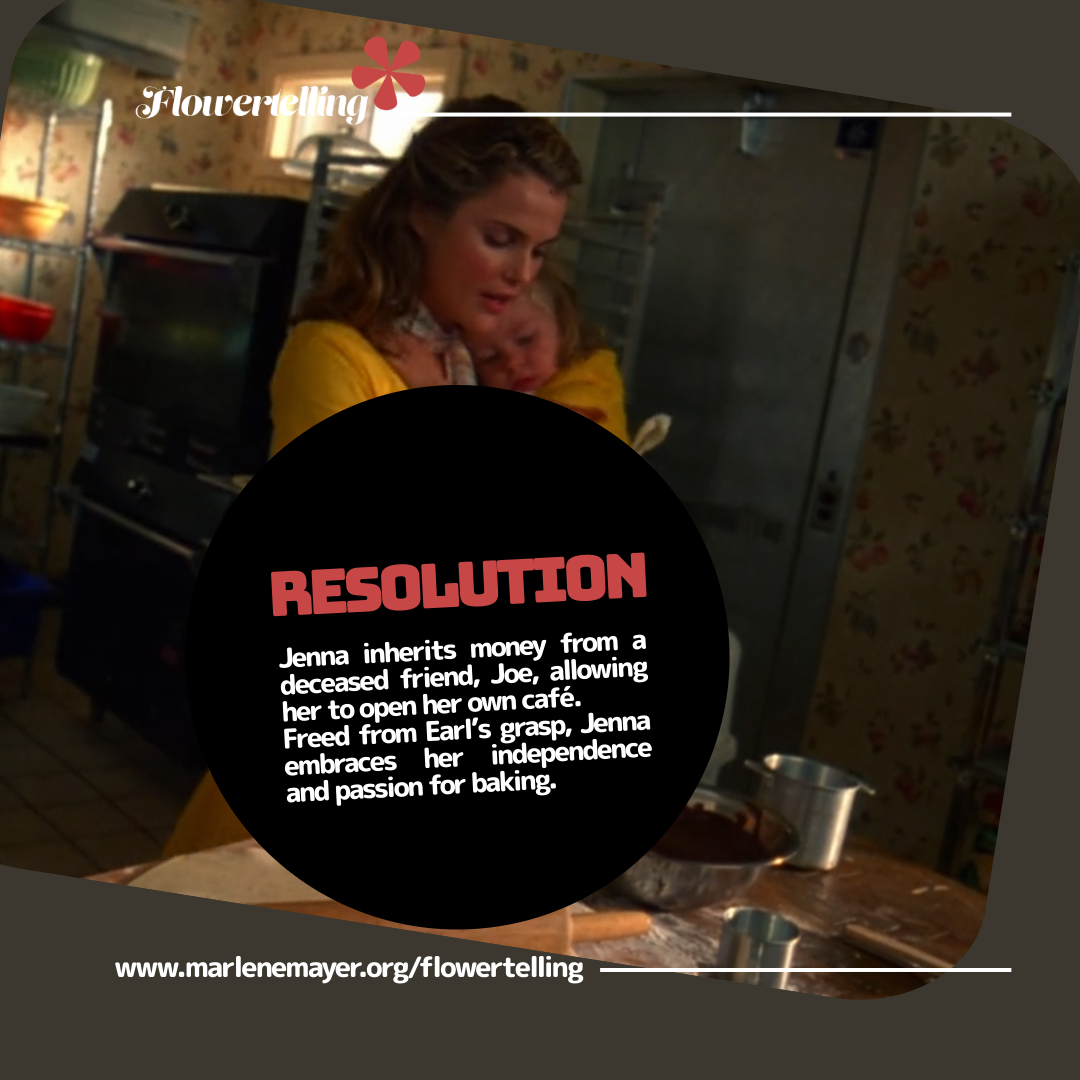
Resolution
The story reaches its lowest point. The conflict is resolved, ending in a happy or devastating conclusion.
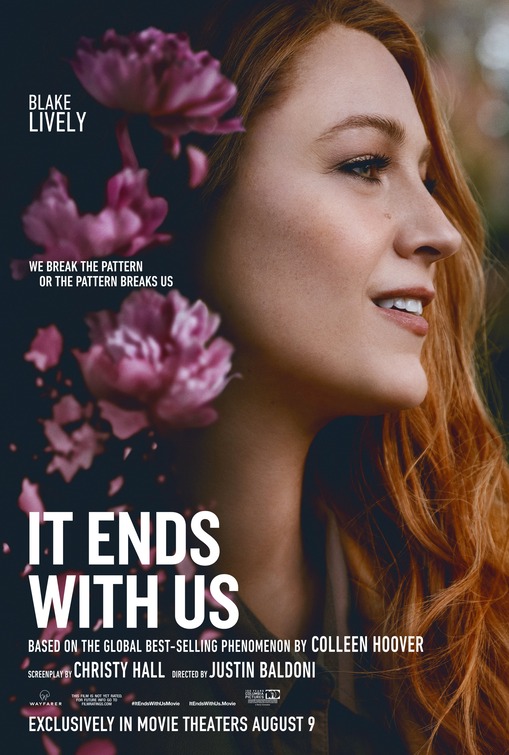
Filmanalysis: It ends with us
Produktionsland: USA
Originalsprache: Englisch
Erscheinungsjahr: 2024
Länge: 131 Minuten
Regie: Justin Baldoni
Drehbuch: Justin Baldoni, Christy Hall, Colleen Hoover
Besetzung: Blake Lively (Lily Bloom), Justin Baldoni (Ryle Kincaid), Brandon Sklenar (Atlas Corrigan)



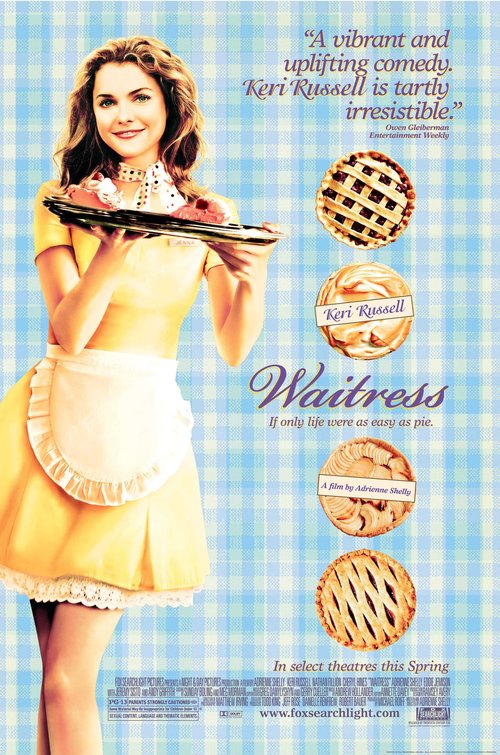
Filmanalysis: Waitress
Produktionsland: USA
Originalsprache: Englisch
Erscheinungsjahr: 2007
Länge: 104 Minuten
Regie: Adrienne Shelly
Drehbuch: Adrienne Shelly
Besetzung: Keri Russel (Jenna Hunterson), Nathan Fillion (Dr. Jim Pomatter), Cheryl Hines (Becky), Adrienne Shelly (Dawn), Jeremy Sisto (Earl Hunterson)

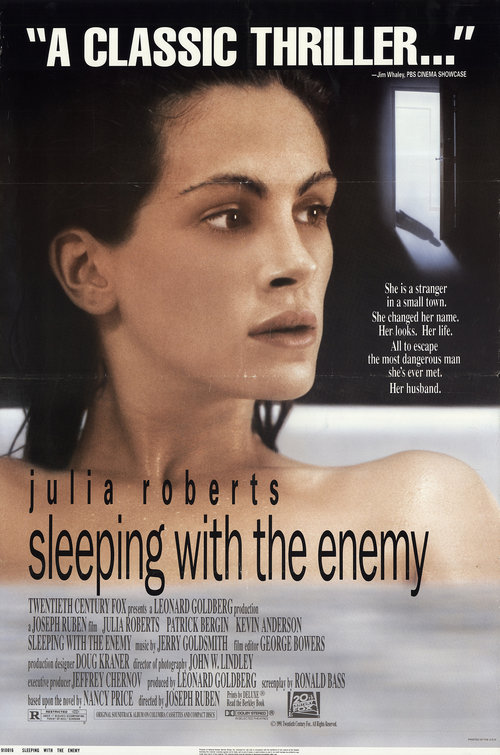
Filmanalysis: Sleeping With The Enemy
Produktionsland: USA
Originalsprache: Englisch
Erscheinungsjahr: 1991
Länge: 97 Minuten
Regie: Joseph Ruben
Drehbuch: Ronald Bass
Besetzung: Julia Roberts (Laura Burney), Patrick Bergin (Martin Burney), Kevin Anderson (Ben Woodward)
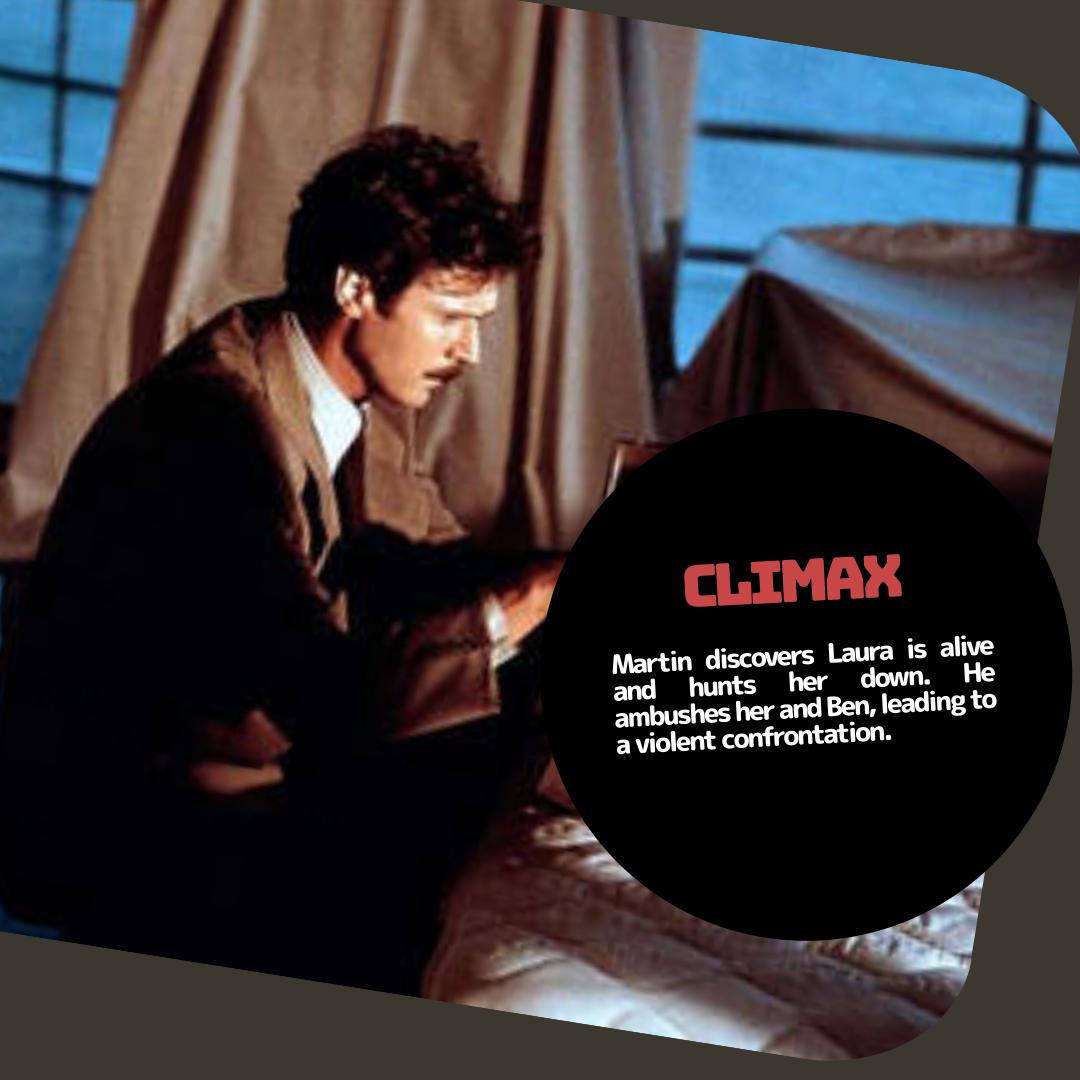
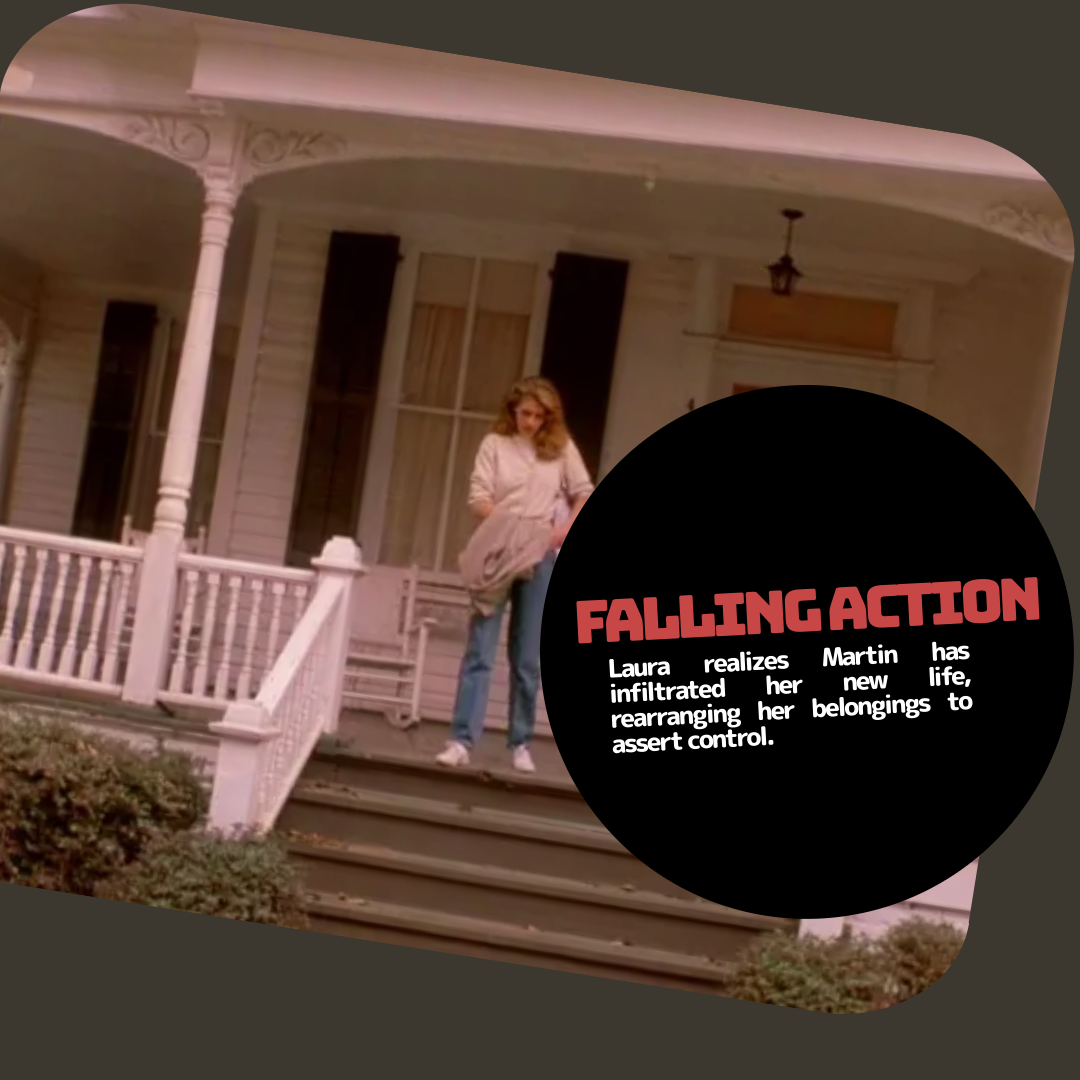
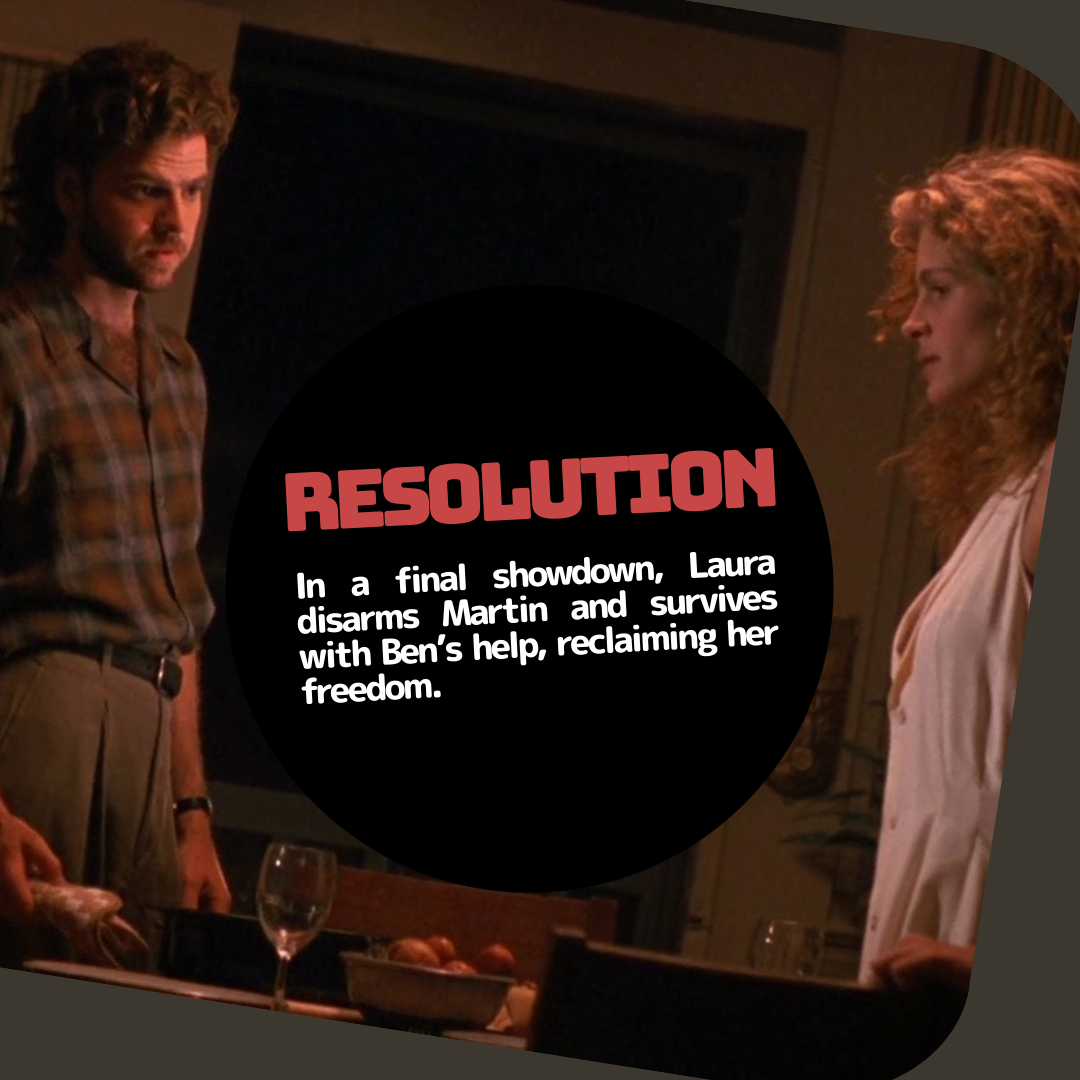
These examples are drawn from my research guide, Love and Violence: A Filmmaker’s Guide to Sensitive Portrayals of Partner Violence. You can download the full guide for free here.
Mehr Beiträge
Nothing found.
 German
  English