
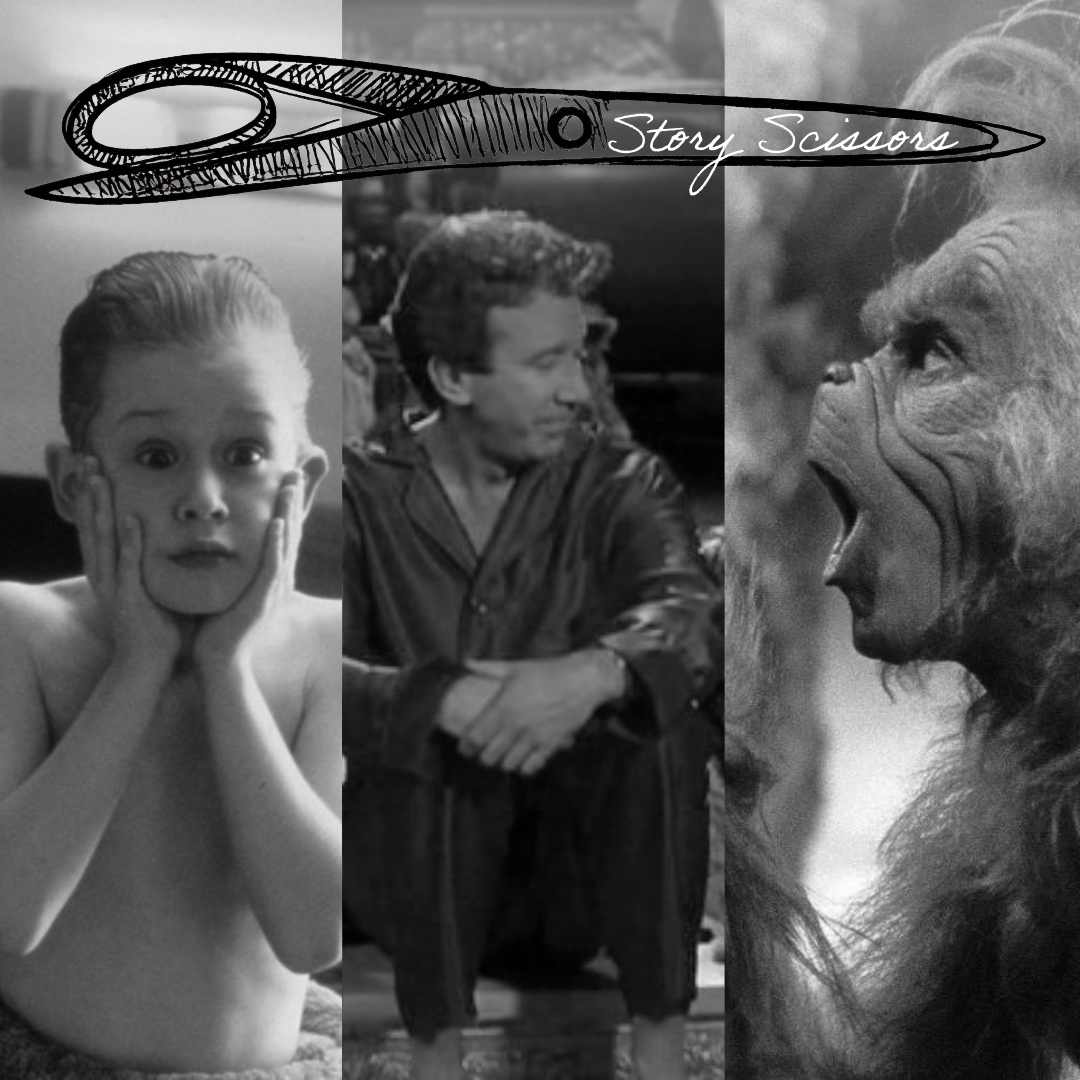
This year, I spent half of Christmas Eve on the train. At this point, I have to admit—even though this is the first post of this new blog—that I’m a . It brightens up my world, especially during those . Maybe it’s a good start, because now you’ll know from the beginning whose texts you’re reading: I’m an optimist, always thriving for the good and believing that we, as a society, can choose how to live and what we want to stand for. And I believe we have to make that choice real.
(Disclaimer: I’m —born in Austria, .)
So what did I wanted to say earlier? I am in train – actually right now – and before I thought how can I entertain myself during the upcoming 8 hours – so I prepared my personal christmas highlights which beam me back to when I was child.
From Home Alone’s slapstick chaos or The Santa Clause’s magical realism to The Grinch’s grumpy redemption, Christmas classics don’t just entertain—they edit emotions into existence. And guess what? I accidentally stole their tricks for my documentary (released December 6, 2025).
I didn’t plan it. But somewhere between Kevin’s scream and the Grinch’s heart growing, my . Now, I’ll show you how the same techniques that make fiction feel real can —even if you don’t realize you’re doing it.
Home Alone
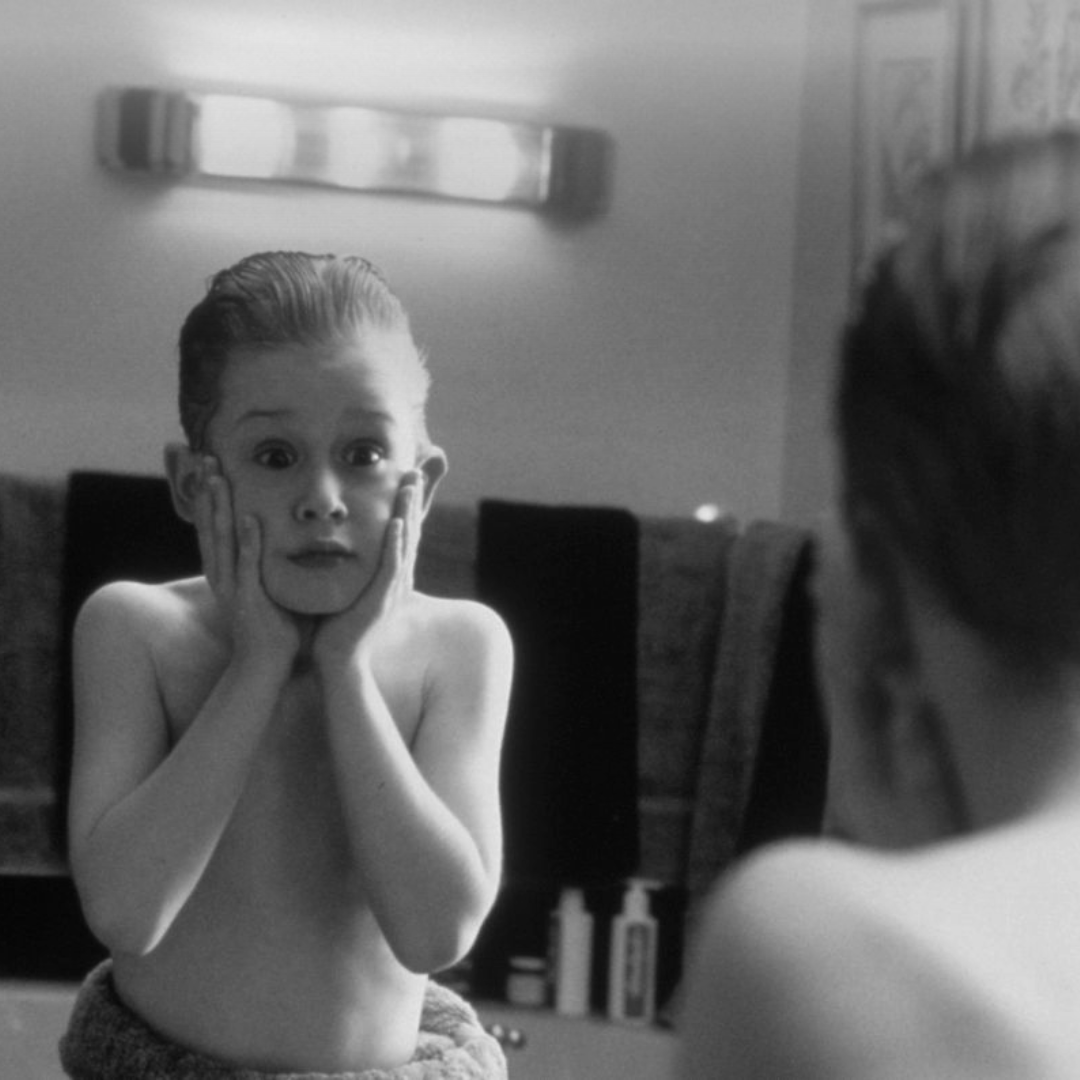
Since I can remember—probably even before I could remember—Home Alone has been the . That one scene where Kevin slaps his cheeks in the mirror? That’s not just a movie moment—it’s a childhood memory. The McCallisters’ frantic airport dash, the booby-trapped house, the way Kevin talks to himself like a tiny, resourceful general… it’s the kind of story that doesn’t just play at Christmas—it is Christmas. And somewhere between the paint cans and the feathered tarantulas, it .
Home Alone: 3-Act Structure
Silence is your secret weapon.
Scene: Kevin’s scream in the mirror
No music. No dialogue. Just a kid, a mirror, and the most iconic aftershave slap in cinema. That pause before the scream? That’s —letting the audience lean in before the chaos erupts. In documentaries, we call this ‘breathing room.’
The Santa Clause
If Home Alone is the chaos of Christmas, The Santa Clause is its . The year it came out, I was the perfect age to believe—just enough to wonder if I might accidentally become Santa by putting on a red hat. Scott Calvin’s reluctant transformation from skeptical dad to jolly saint isn’t just a plot—it’s the feeling of Christmas sneaking up on you. The snow that starts falling indoors, the way Charlie’s eyes widen when he sees the reindeer… it’s the kind of movie that doesn’t just play in December—it lives there.
The Santa Clause: 3-Act Structure
Let the magic unfold in real time
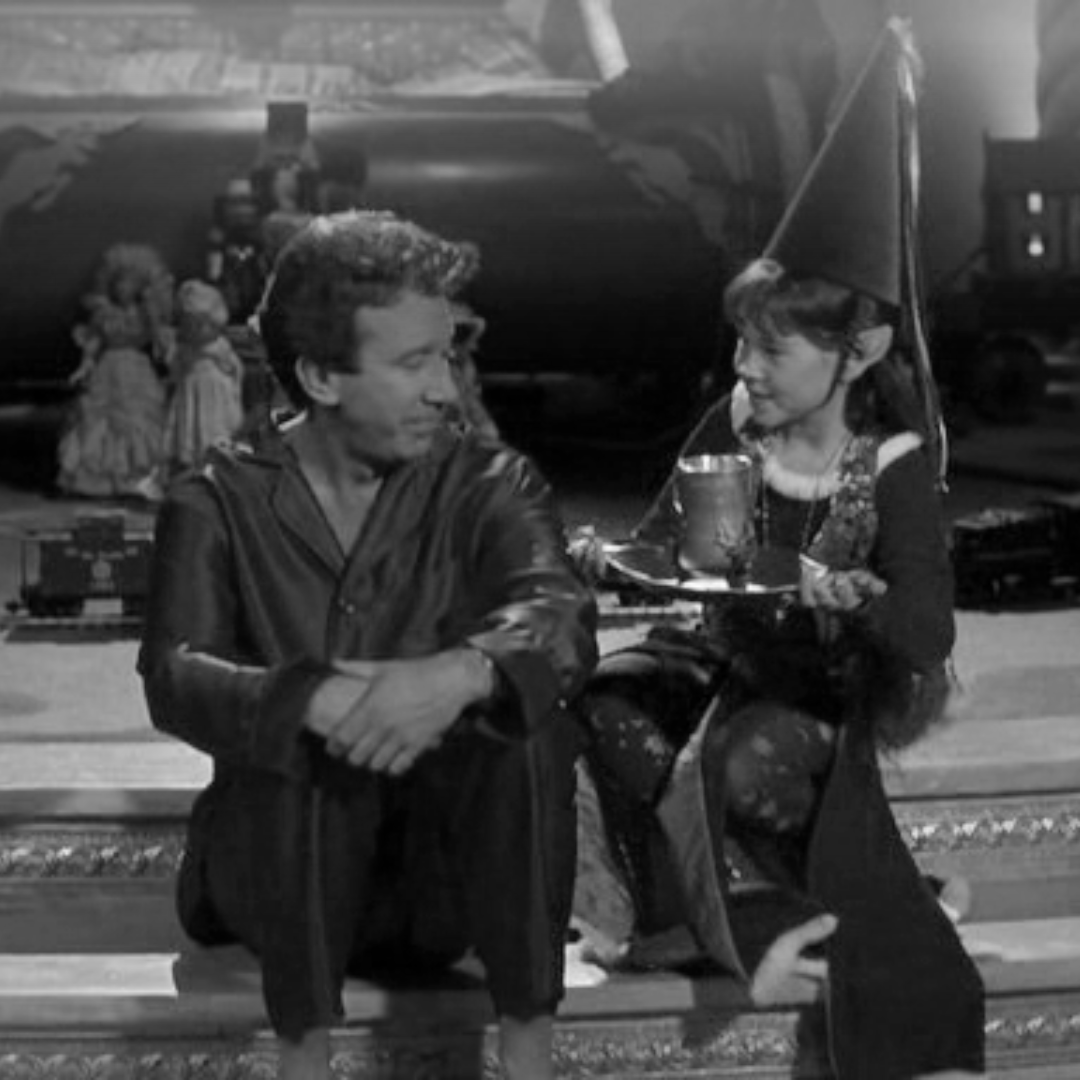
Scene: The Santa Suit Transformation
No cuts. No quick edits. Just a as he watches his reflection change in the mirror—beard growing, belly expanding, the suit adjusting to fit. The camera lingers just long enough for the audience to gasp along with him. Documentaries often rush magical moments—this scene taught me to wait for the wonder.
How The Grinch Stole Christmas
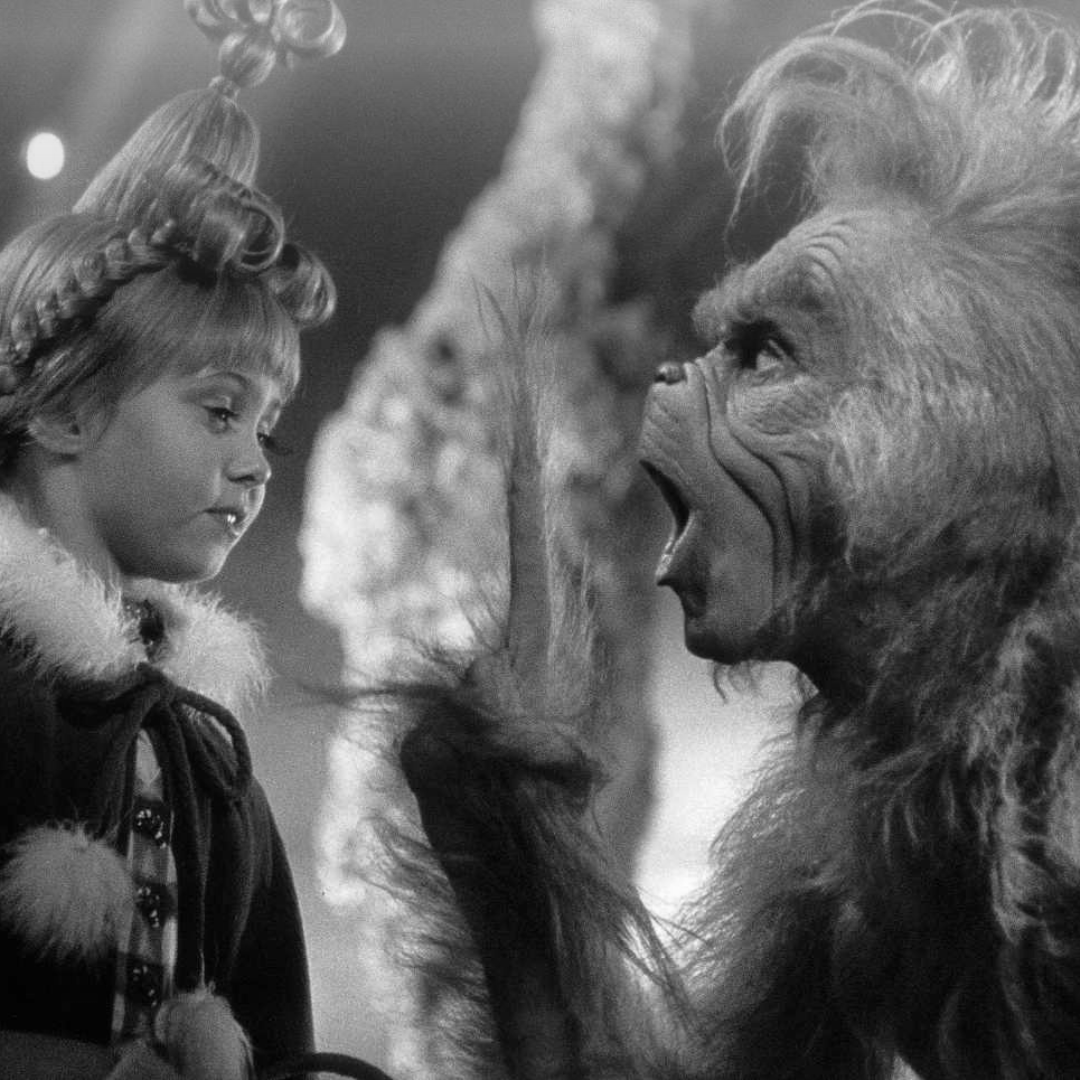
of every kid who ever rolled their eyes at holiday cheer. (Admit it, we’ve all had our Grinch moments.) But here’s the thing: this movie doesn’t just tell his story—it feels like him. The slinky, shadowy heist scenes, the way Whoville’s joy grates on him like nails on a chalkboard, and then—that moment when his heart grows. It’s the only Christmas movie that dares to say: yeah, the .
How the Grinch Stole Christmas: 3-Act Structure
Montage isn’t just for action—it’s for emotion
Scene: The Grinch’s wordless heist
No music. No cheesy one-liners. Just 90 seconds of green fingers, creaking floorboards, and shadows stretching like something out of a nightmare. The whole thing plays out like a silent movie—except it’s way creepier. And here’s the kicker: you don’t need a single line of dialogue to know exactly what’s happening. Pure .
In the documentary film „Wer steckt hinter dem Weihnachtszauber?“, I used all these tricks—even though I didn’t do it on purpose. The realization came to me during I told you about. So here’s how it happened:
-
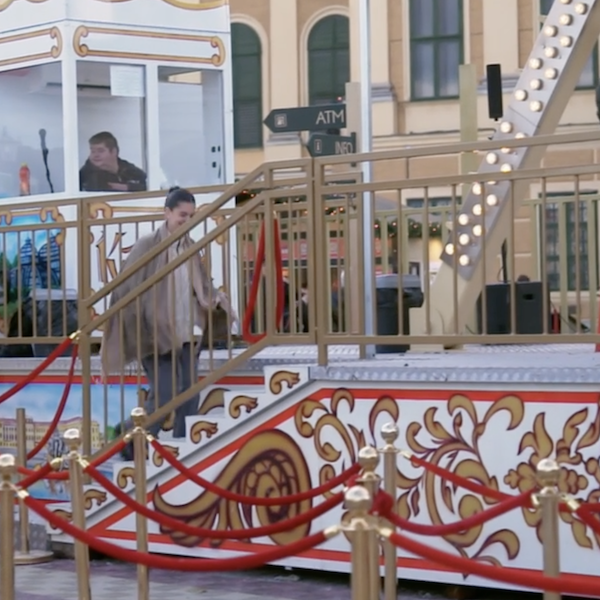
Silence: Okay, maybe it’s not completely silent. But there’s one scene where no one speaks, and all you hear is music. We see a horse on a carousel, and in the music, you can almost hear a horse neighing. It gives us that we need to process everything.
-
Real time: There’s this one dialogue between a father and daughter that could be —if you let it unfold in real time. The father delivers what sounds like a scripted compliment, and the daughter responds with sarcasm, but you can tell she’s also kind of embarrassed or maybe even likes it. The real-time pacing makes the whole thing come alive.
-
: The vendor at the sausage stand talks about how the smell of sausages lingers in your clothes and hair. Cut to the sizzling sausages, the grease, the close-up of the meat—and suddenly, you can feel at the same time.
So, my dear reader—you actually read all of this? I’m honored. And honestly, I’d love to keep going with this kind of work because it’s been so much fun. If you’d like to read more, feel free to reach out on my social or email.
More Posts
Valentin Oman – Searching for Traces
The 39-minute portrait shows a 90-year-old man who has spent his entire life...
Sound and color – the reinvention of Parov Stelar
After seeing it for the first time, I probably learned more about myself...
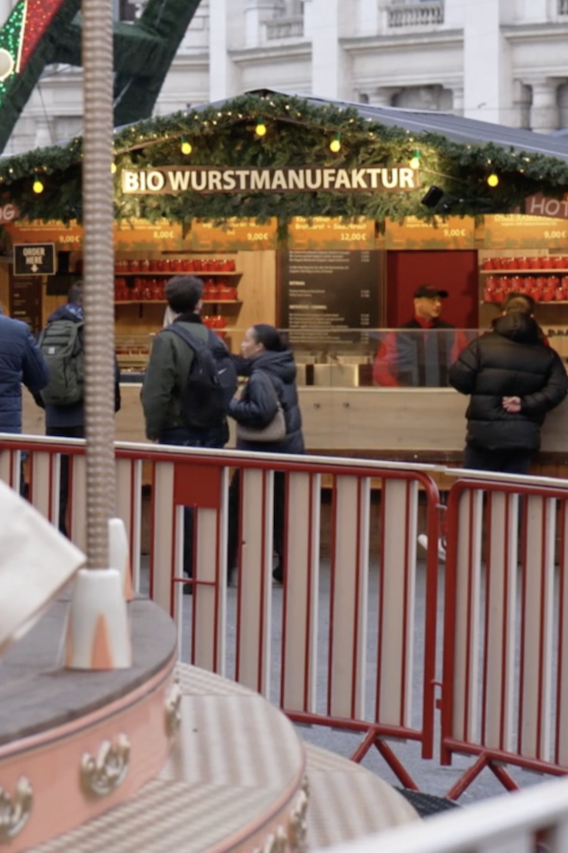
Christmas markets – Who are the people behind the Christmas spirit?
100 images of glitter and magic are contrasted here with the...
 English
  German